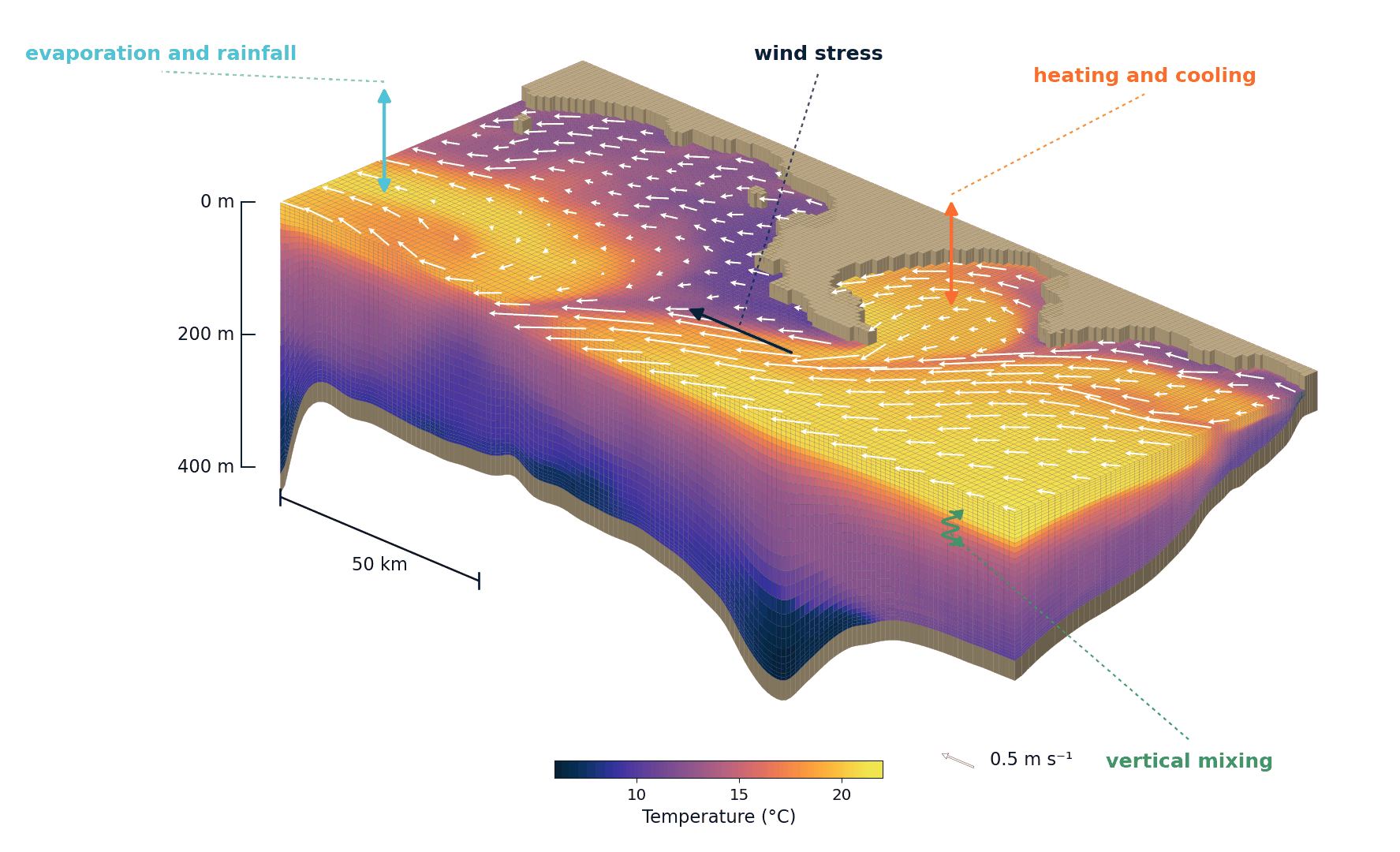
We build and run high-resolution ocean models for clients commissioning a specific engagement — a research question, a design criterion, a dispersion footprint, a skill-assessed hindcast, a new regional model.

01 — Ocean model development

We build models.

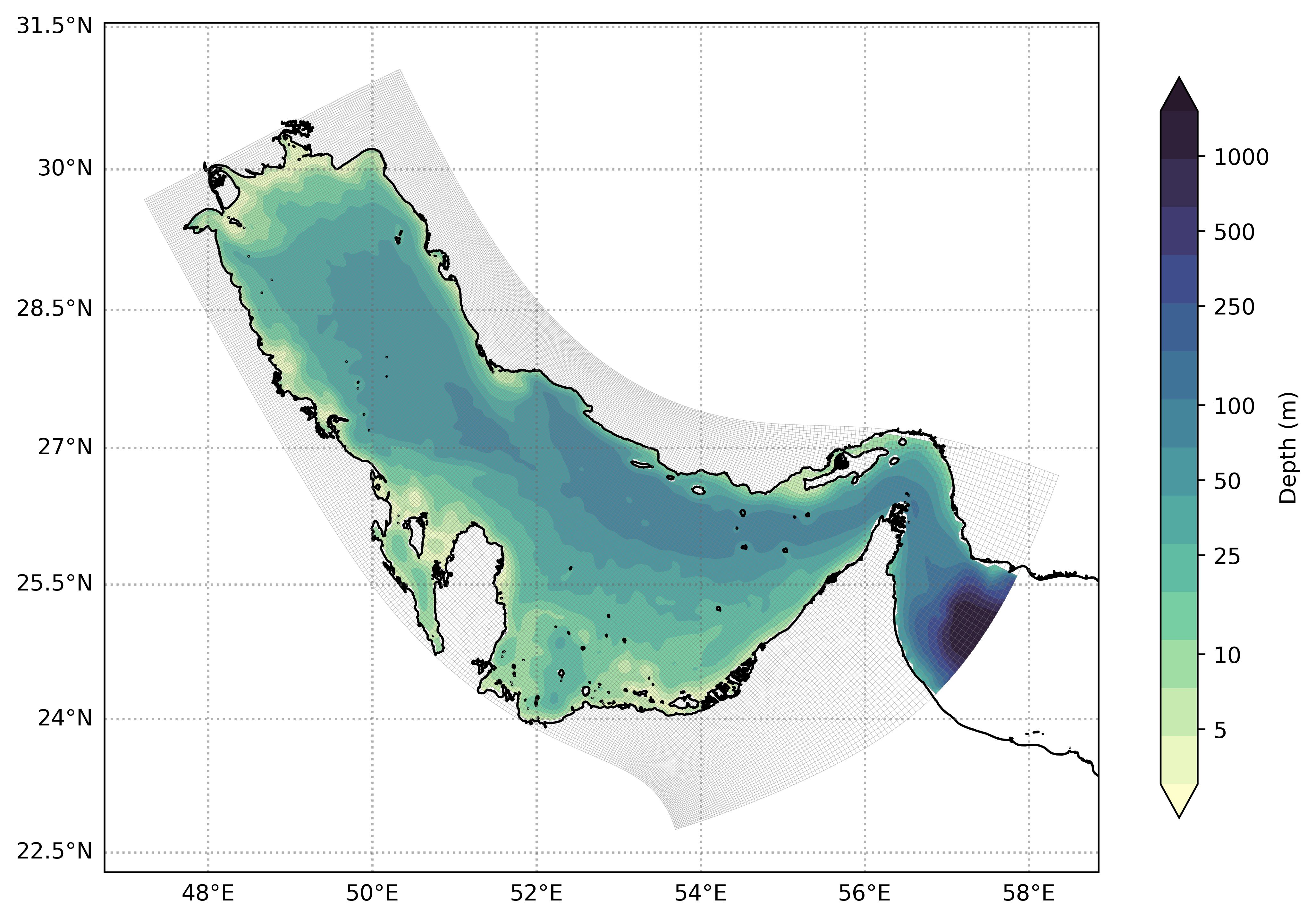
From grid to boundaries to calibration to validation, using the modelling packages the global community relies on.

Modelling packages we work with

  • CROCO / ROMS 3D regional circulation, water level, temperature, salinity.
  • WW3 Spectral wave modelling, regional to coastal scales, two-way coupling with CROCO.
  • Delft3D Coastal, estuarine and port scale waves, hydrodynamics, morphology, water quality.
  • MIKE by DHI Same use case as Delft3D, used where the client's existing pipeline is MIKE-based.
  • OpenDrift Lagrangian trajectory modelling for oil spills, search-and-rescue drift, and particle transport.
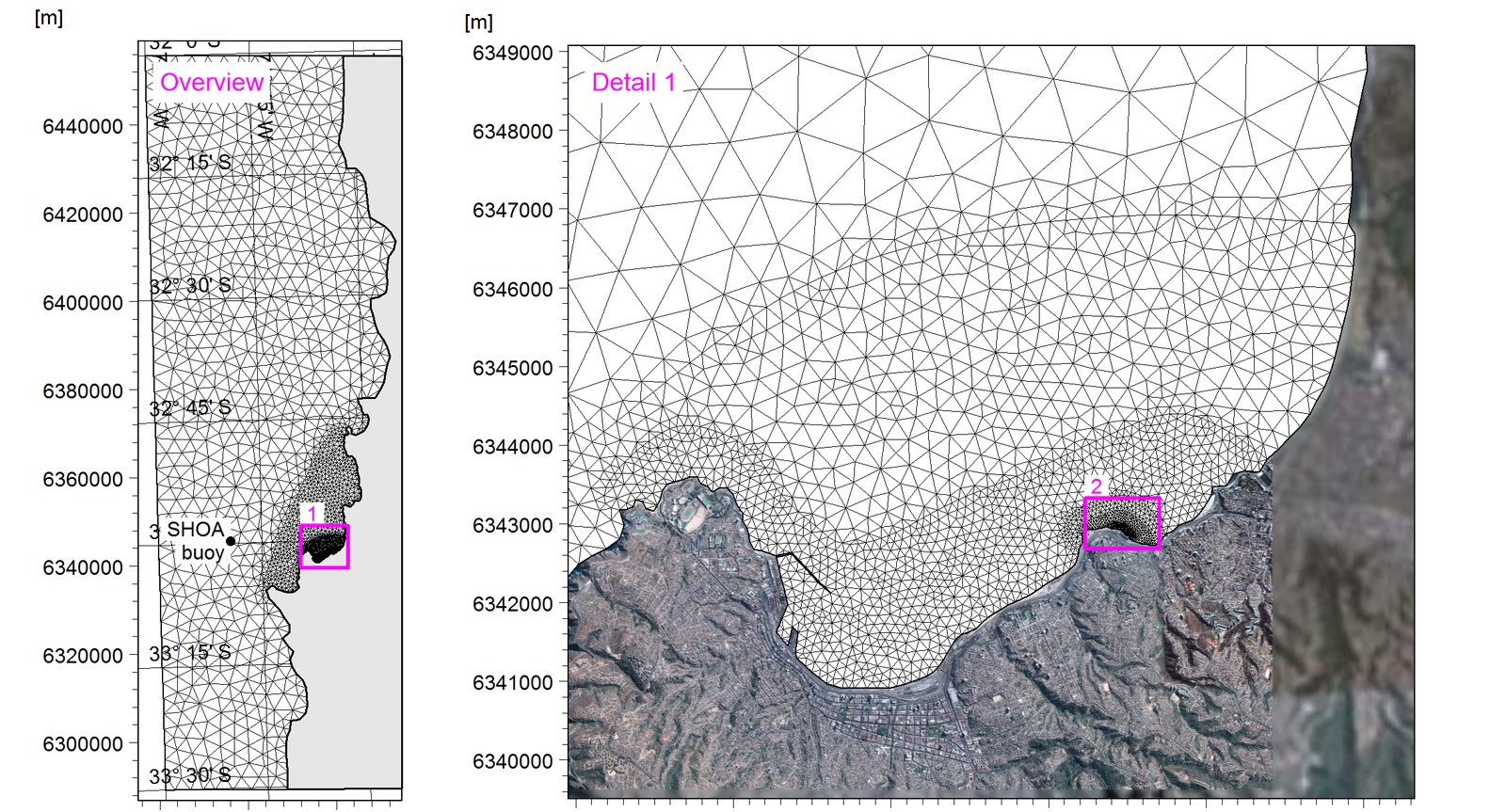
Once built, a configuration can run as a daily forecast subscription — same model, new commercial envelope. Operational Forecasts →

02 — Dispersion & transport modelling

Where does it go?

We model how things move in the ocean — effluent, oil, sediment, and objects — on top of a calibrated circulation model.

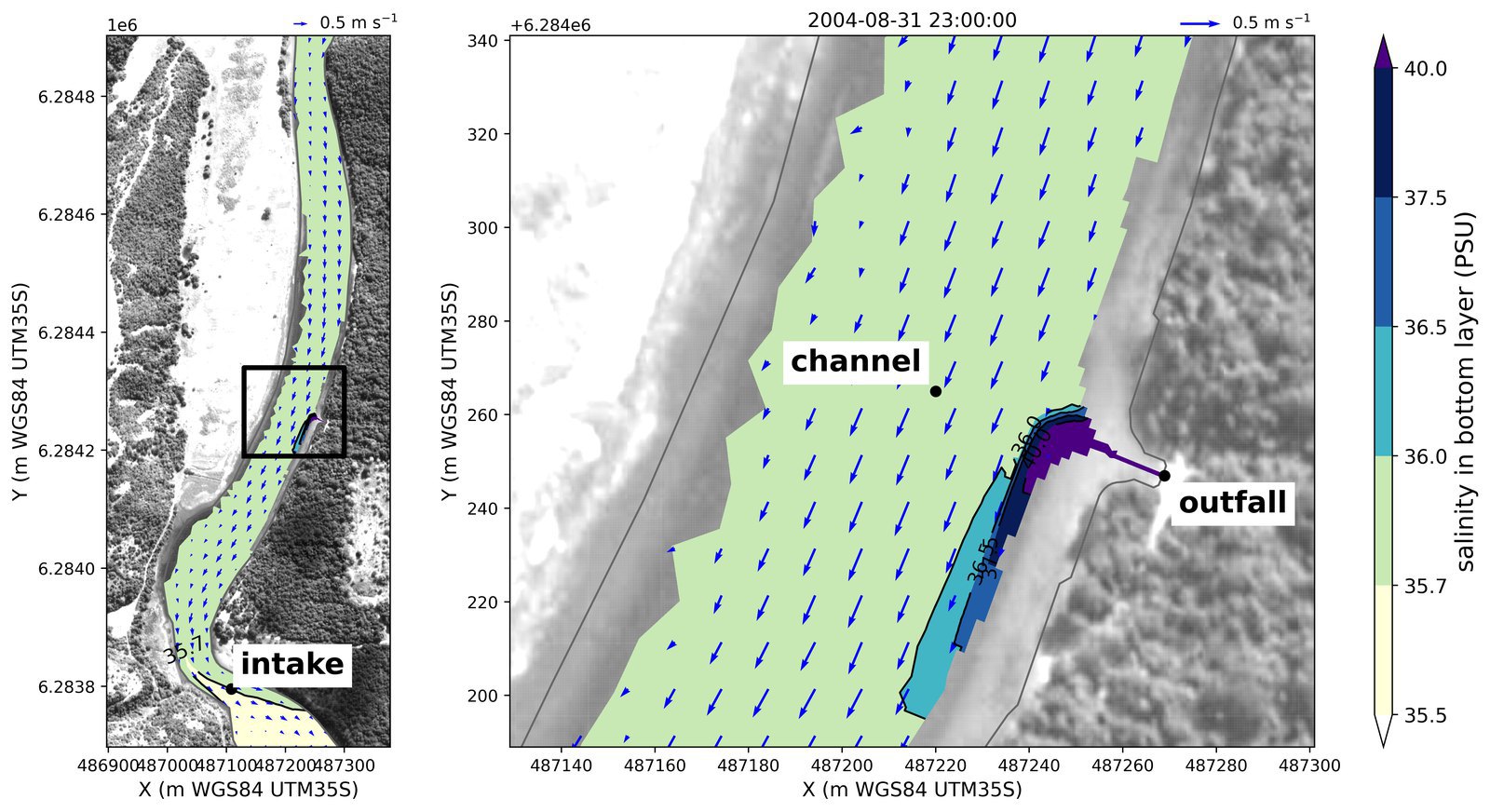
  • Outfall modelling Dilution and dispersion of treated effluent, cooling water, and brine discharges.
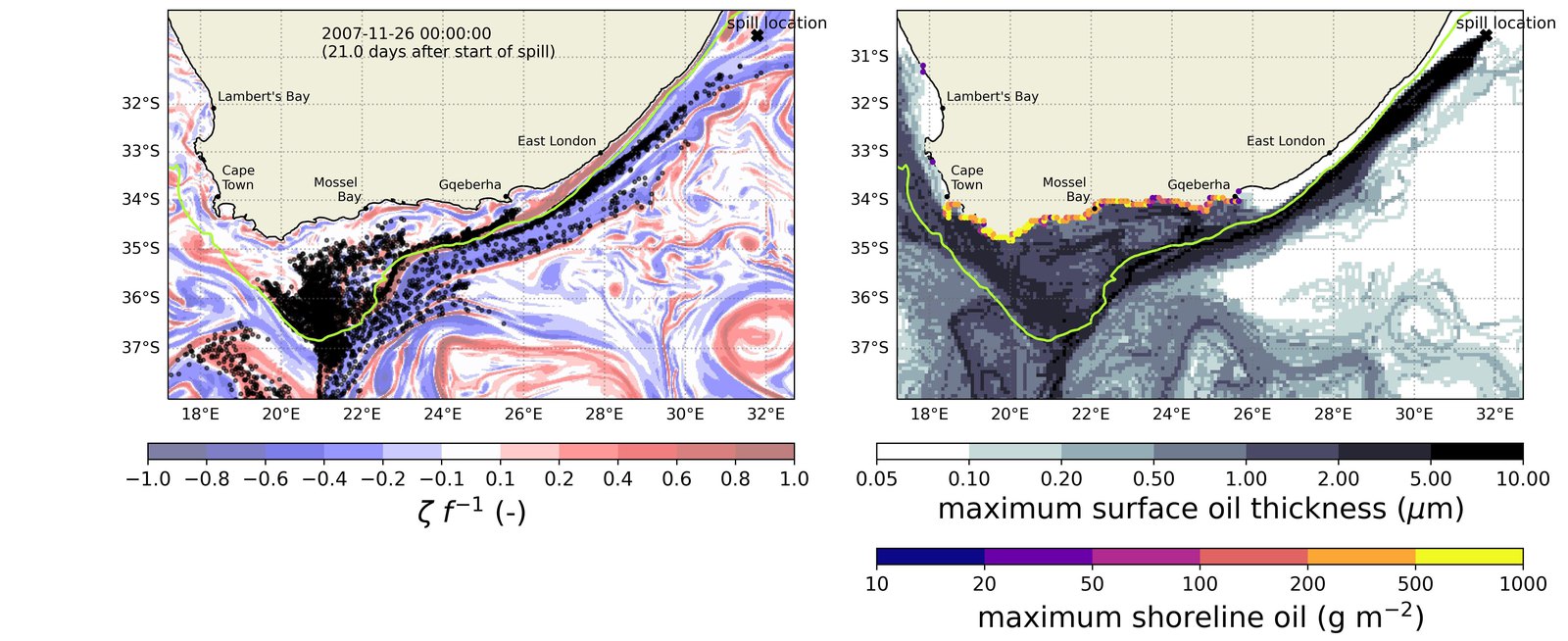
  • Oil spill modelling Trajectory, weathering, and shoreline impact from potential spills from ships or offshore drilling.
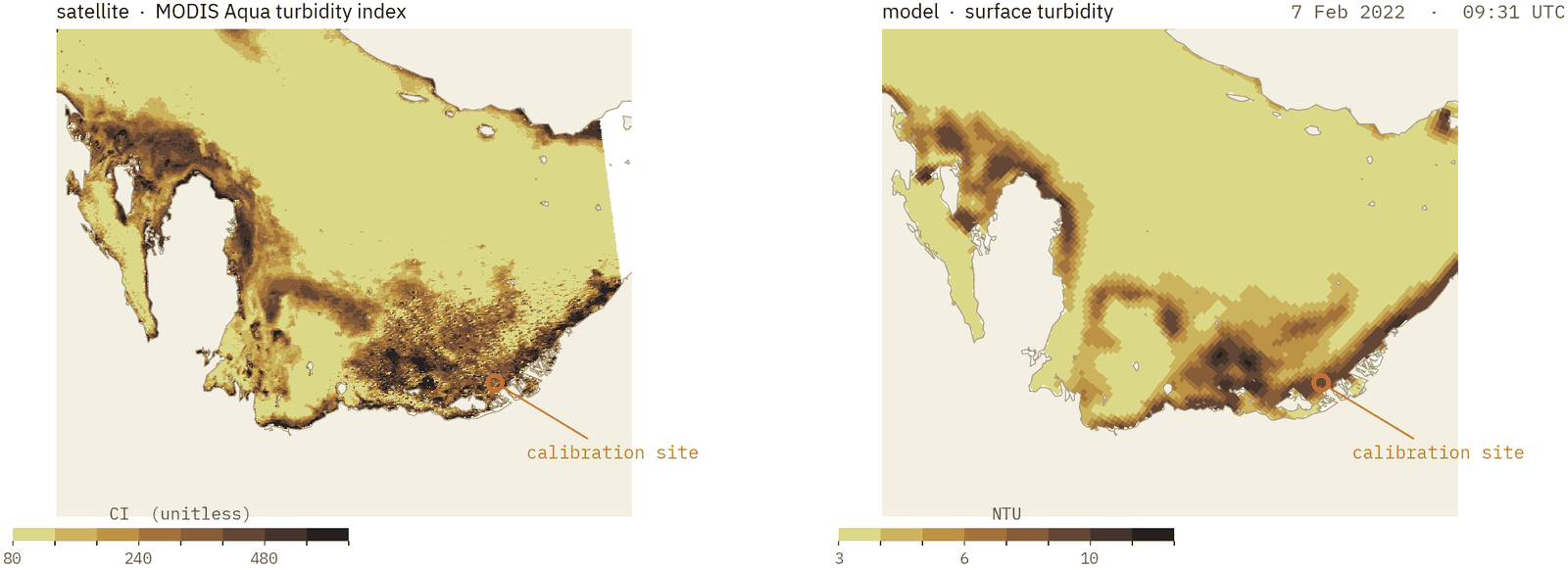
  • Dredge plume modelling Suspended sediment plume extent and duration for dredging campaigns.
  • Object drift modelling Search-and-rescue drift prediction, larval transport, debris tracking, lost-container trajectories.

The same modelling tools can be used to answer scientific questions (e.g. coral reef connectivity, tracer diagnostics) as well as for applied work (e.g. environmental impact assessments, outfall design).

03 — Hindcast & design criteria

Looking back to design ahead.

Multi-decade hindcasts and statistical products for planning and design.

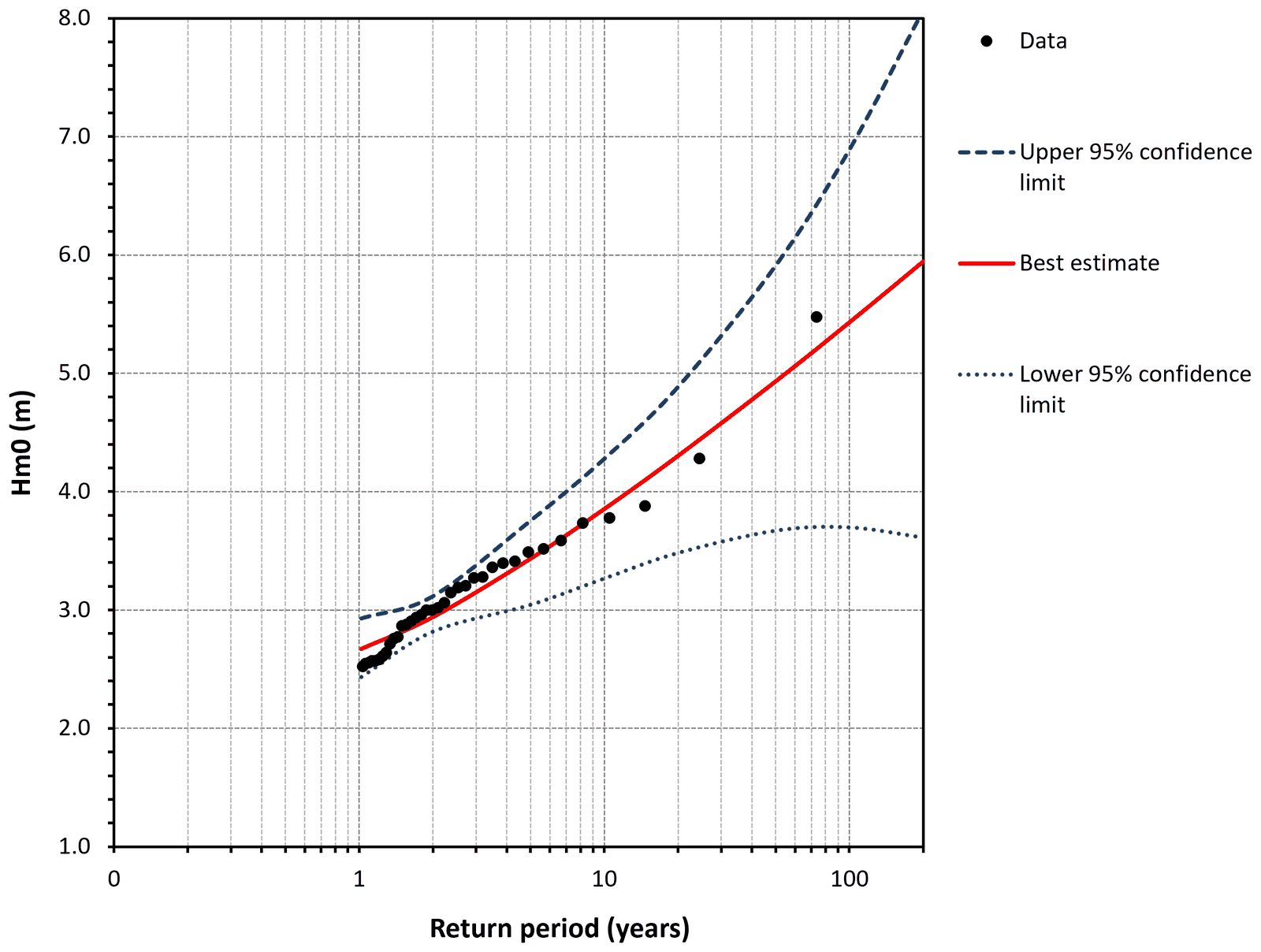
  • Extreme value analysis 1-in-N year return-period estimates for wave height, wind, water level, current, or other variables of interest.
  • Joint probability Hs × Tp × direction, or Hs × water level — for design load cases where single-variable extremes aren't enough.
  • Coastal flooding assessments Extreme water levels from tide, surge, and wave setup, combined into flood levels and inundation extents for coastal infrastructure.
  • Persistence & downtime The hindcast version of an operability-windows product — how many workable days per year, and when.

These products support design and risk decisions across offshore energy, coastal engineering, port design, and insurance.

Tell us what you're working on.

Start a conversation →